Budget Travel Guide – How to Travel More While Spending Less
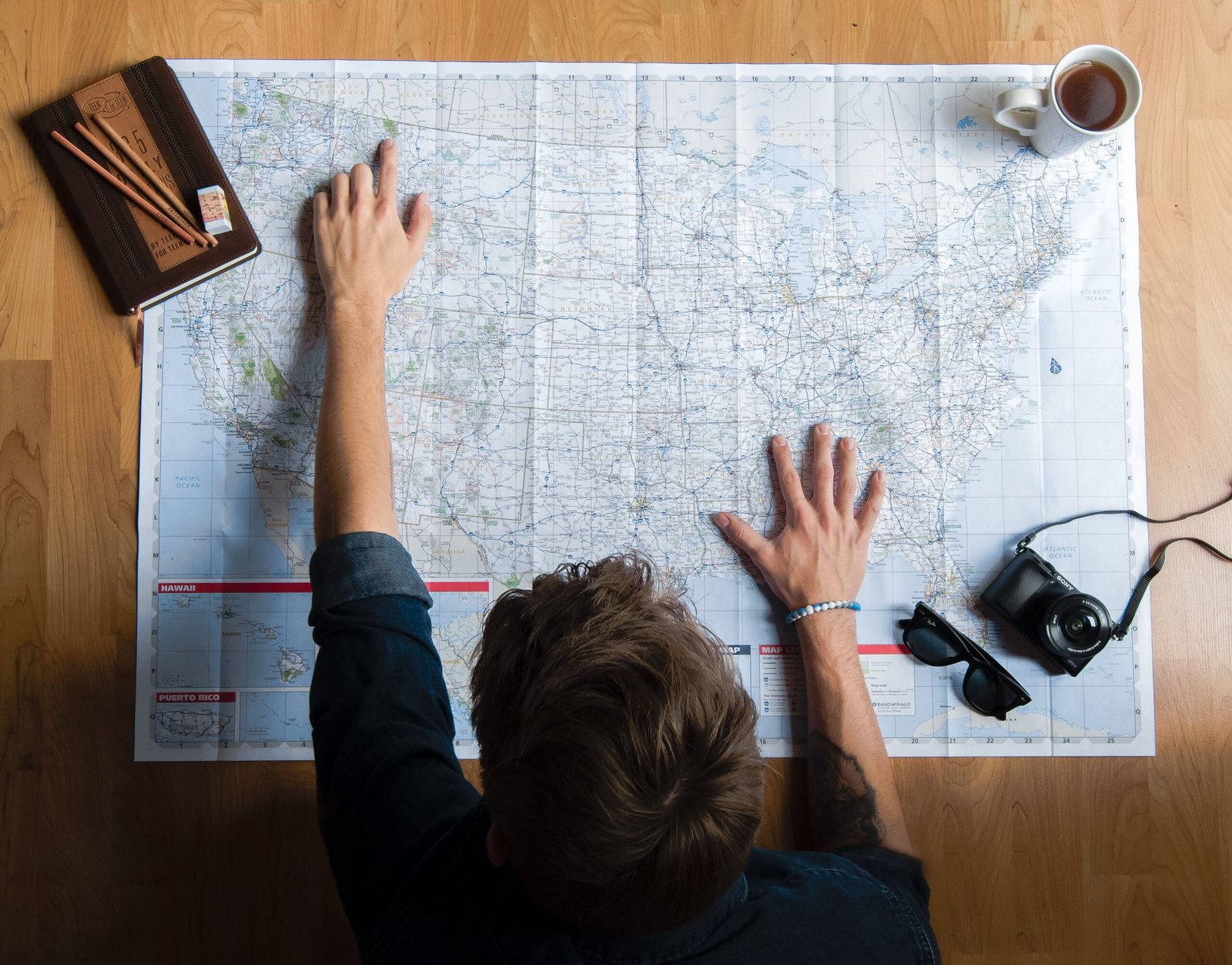
Traveling the world doesn’t have to be expensive. Many people believe that exploring new destinations requires a large budget, but with the right planning and smart decisions, you can enjoy unforgettable adventures without overspending. Budget travel is all about maximizing your experiences while minimizing unnecessary expenses.
Whether you’re planning a weekend getaway, a cross-country road trip, or an international vacation, this guide will show you practical ways to save money without sacrificing comfort or enjoyment.
What Is Budget Travel?
Budget travel means traveling wisely by reducing unnecessary costs while still enjoying quality experiences. It focuses on planning ahead, comparing prices, and making informed decisions about transportation, accommodation, food, and activities.
Budget travel is not about being cheap—it’s about spending smarter.
Benefits of Budget Travel
Traveling on a budget offers several advantages:
Save more money
Travel more often
Stay financially stress-free
Discover authentic local experiences
Meet fellow travelers
Learn smart money management
Experience destinations beyond luxury resorts
Many experienced travelers prefer budget travel because it allows them to extend their trips and visit more places.
Set a Travel Budget
Before booking anything, decide how much you can comfortably spend.
Your budget should include:
Flights or transportation
Accommodation
Food and drinks
Local transportation
Attractions and tours
Shopping
Travel insurance
Emergency expenses
Tracking your expenses helps you stay within your budget throughout the trip.
Choose Affordable Destinations
Some destinations are naturally more budget-friendly than others.
When selecting a destination, compare:
Average hotel prices
Food costs
Public transportation
Attraction entrance fees
Currency exchange rates
Traveling to destinations with a lower cost of living allows your money to go further.
Travel During the Off-Season
One of the easiest ways to save money is by avoiding peak tourist seasons.
Benefits of off-season travel include:
Lower airfare
Cheaper hotels
Smaller crowds
Better deals on tours
More relaxed sightseeing
Always check local weather before booking an off-season trip.
Book Flights Wisely
Airfare often represents one of the biggest travel expenses.
Money-saving tips include:
Book several weeks or months in advance.
Compare multiple airlines.
Travel on weekdays instead of weekends.
Use carry-on luggage when possible.
Be flexible with travel dates and airports.
Small changes in your schedule can lead to significant savings.
Save Money on Accommodation
Accommodation doesn’t have to consume your entire travel budget.
Affordable options include:
Budget hotels
Hostels
Guesthouses
Vacation rentals
Homestays
Before booking, compare:
Location
Guest reviews
Included amenities
Transportation access
Cancellation policies
Sometimes paying slightly more for a central location saves money on transportation.
Use Public Transportation
Instead of relying on taxis, consider:
City buses
Metro systems
Trains
Trams
Bicycle rentals
Walking
Public transportation is usually much cheaper and offers a better opportunity to experience local life.
Pack Smart to Avoid Extra Fees
Many airlines charge additional baggage fees.
Pack only what you need:
Lightweight clothing
Comfortable shoes
Reusable water bottle
Phone charger
Power bank
Universal adapter
Toiletries
Rain jacket
Packing efficiently can help you travel with carry-on luggage only.
Eat Like a Local
Dining at tourist restaurants often costs much more than eating where locals eat.
Money-saving food tips:
Visit local markets.
Try street food from clean vendors.
Eat at family-owned restaurants.
Cook simple meals if your accommodation has a kitchen.
Carry healthy snacks during sightseeing.
Local food often provides both better value and a more authentic experience.
Find Free Attractions
Many destinations offer free or inexpensive activities.
Examples include:
Public parks
Beaches
Hiking trails
Museums with free admission days
Walking tours
Cultural festivals
Historic neighborhoods
Scenic viewpoints
Research free attractions before arriving.
Buy Travel Insurance
Some travelers skip insurance to save money, but unexpected emergencies can become extremely expensive.
Travel insurance may cover:
Medical emergencies
Lost luggage
Flight cancellations
Travel delays
Trip interruptions
Insurance provides peace of mind during your journey.
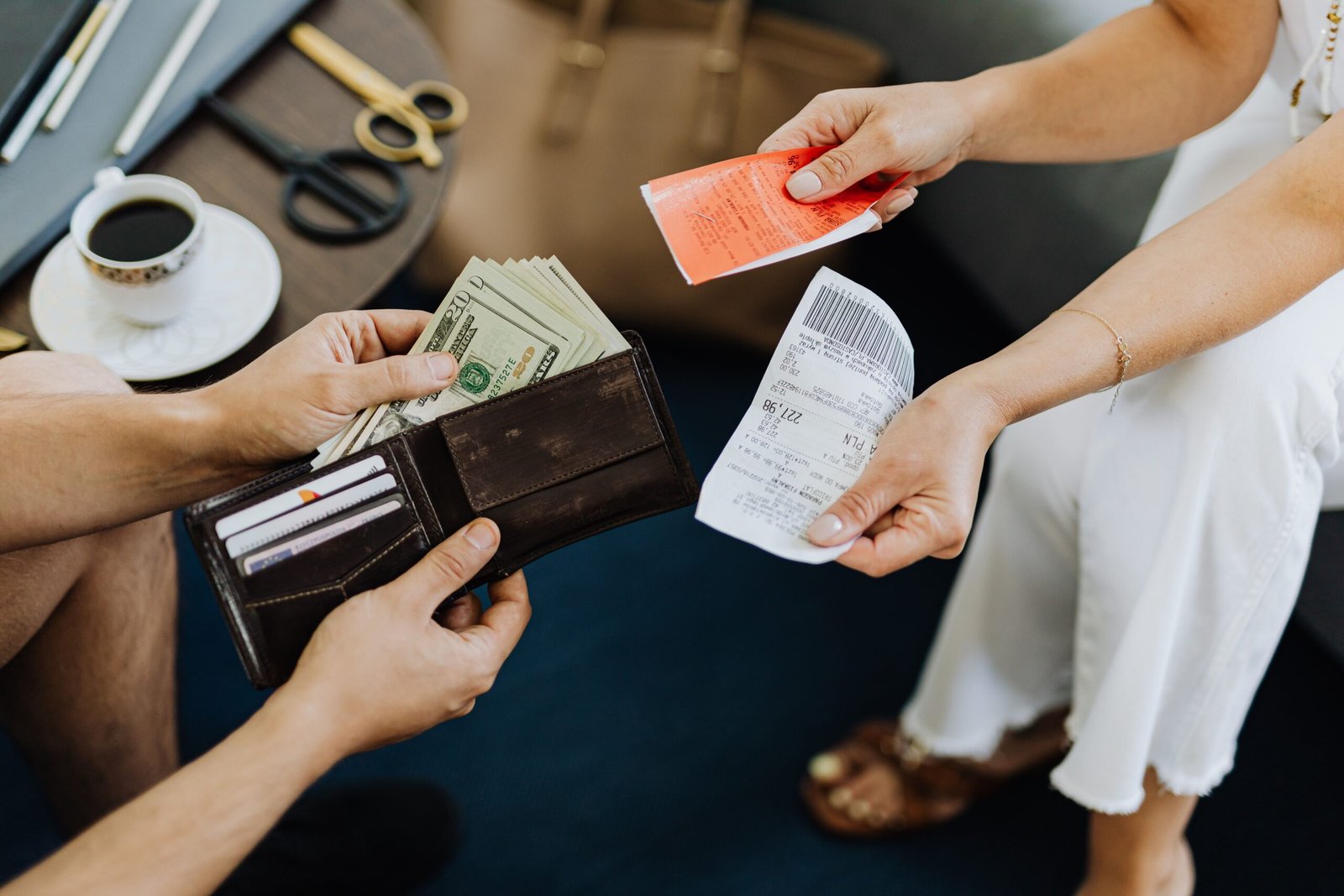
Manage Your Money
Avoid unnecessary banking fees by:
Using travel-friendly debit or credit cards
Withdrawing larger amounts less frequently
Paying in the local currency when possible
Monitoring exchange rates
Keep emergency cash stored separately from your wallet.
Track Daily Spending
Monitoring expenses helps prevent overspending.
Record purchases such as:
Meals
Transportation
Souvenirs
Attractions
Snacks
Tips
Many mobile budgeting apps make expense tracking simple.
Avoid Common Tourist Traps
Tourist areas often charge higher prices.
To save money:
Compare prices before buying.
Research attraction fees in advance.
Avoid overpriced airport currency exchanges.
Shop away from major tourist streets.
Read reviews before booking tours.
A little research can prevent unnecessary expenses.
Travel Slowly
Instead of visiting several cities in a short time, spend more days in fewer destinations.
Benefits include:
Lower transportation costs
Better local experiences
Less travel stress
More time to explore
Better accommodation discounts
Slow travel often leads to richer and more meaningful experiences.
Stay Safe While Traveling
Saving money should never come at the expense of safety.
Basic safety tips:
Keep valuables secure.
Avoid carrying large amounts of cash.
Stay aware of your surroundings.
Keep emergency contacts accessible.
Choose accommodations with positive safety reviews.
A safe trip is always a successful trip.
Sustainable Budget Travel
Budget travel and eco-friendly travel often go together.
Simple sustainable habits include:
Carry a reusable bottle.
Walk whenever possible.
Use public transportation.
Support local businesses.
Avoid single-use plastics.
Respect nature and wildlife.
Responsible travel benefits both the environment and local communities.
Common Budget Travel Mistakes
Avoid these common errors:
Booking flights at the last minute
Ignoring hidden fees
Overpacking
Skipping travel insurance
Not comparing accommodation prices
Exchanging money at airports
Overspending on souvenirs
Failing to research destinations
Learning from these mistakes helps stretch your travel budget further.