
How to Plan the Perfect Vacation: A Complete Step-by-Step Travel Guide
Planning a vacation is one of the most exciting parts of traveling. Whether you dream of relaxing on a tropical beach, exploring historic cities, hiking through breathtaking mountains, or experiencing different cultures, careful planning can make your trip enjoyable, affordable, and stress-free. A well-planned vacation helps you save money, avoid common travel mistakes, and maximize every moment of your journey.
This complete travel guide explains each step of planning the perfect vacation, from choosing a destination to returning home with unforgettable memories.
Why Vacation Planning Is Important
Many travelers believe that spontaneous trips are the most exciting, but even spontaneous travel benefits from some level of preparation. Planning ahead allows you to:
Save money on flights and hotels
Avoid fully booked attractions
Create a realistic travel budget
Reduce travel stress
Prepare for local weather and customs
Stay organized throughout your trip
Good planning gives you more time to enjoy your destination instead of solving unexpected problems.
Step 1: Decide Your Travel Goals
Before booking anything, ask yourself what kind of vacation you want.
Some travelers enjoy:
Relaxing beach holidays
Adventure travel
Cultural exploration
Wildlife experiences
Luxury vacations
Family trips
Romantic getaways
Road trips
Solo travel
Food tourism
Your travel style will influence every decision you make later.
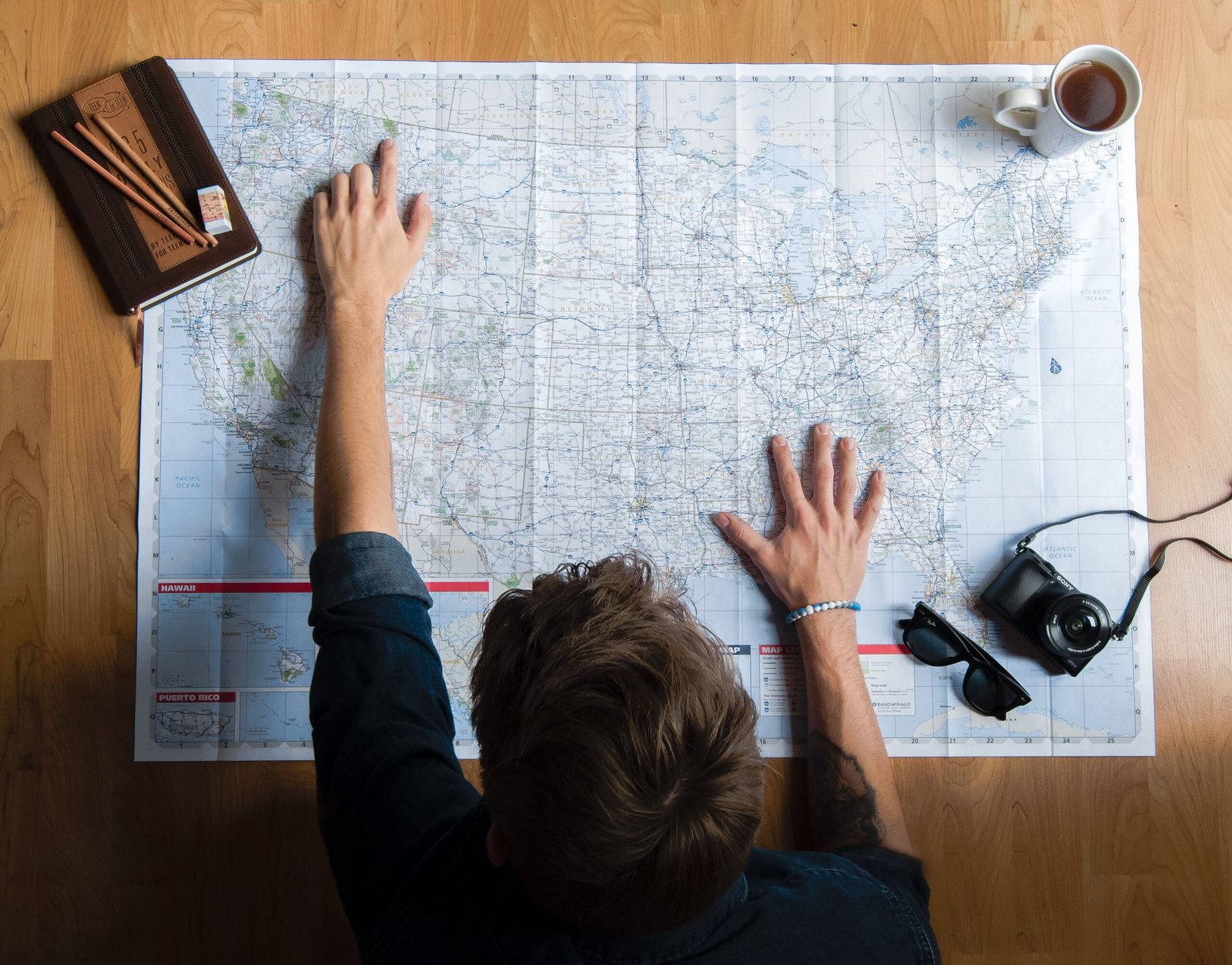
Step 2: Choose the Perfect Destination
Selecting the right destination depends on several factors.
Consider:
Budget
Weather
Flight availability
Visa requirements
Safety
Language
Local transportation
Tourist attractions
Research multiple destinations before making your final decision.
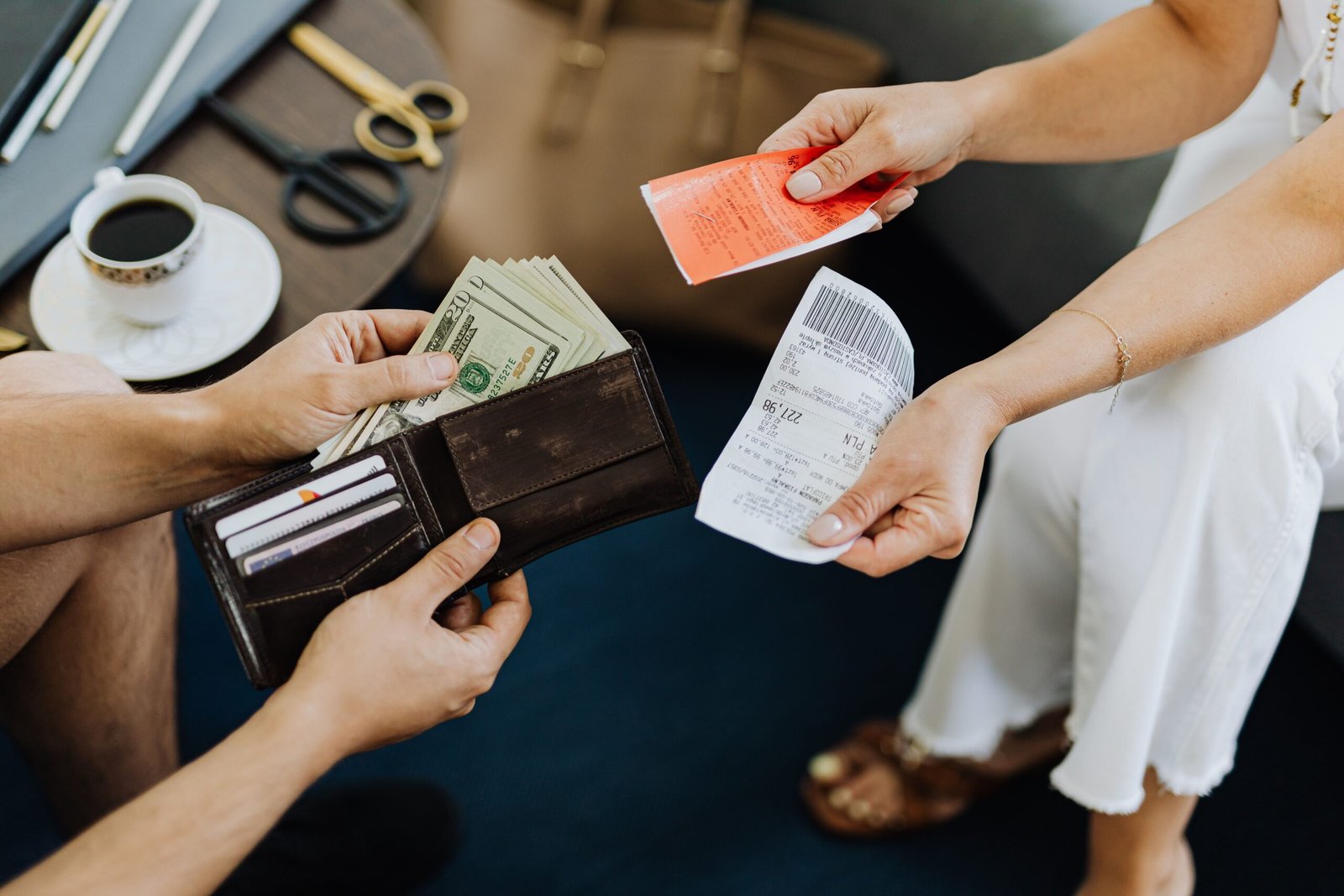
Step 3: Set Your Vacation Budget
One of the biggest travel mistakes is underestimating expenses.
Include the following costs:
Flights
Hotels
Food
Transportation
Tourist attractions
Shopping
Travel insurance
Emergency funds
Always leave room in your budget for unexpected expenses.
Step 4: Pick the Best Time to Travel
Traveling during the right season can improve your experience.
There are generally three travel seasons:
Peak Season
Pros:
Best weather
More activities
Festivals
Cons:
Higher prices
Crowded attractions
Shoulder Season
Pros:
Lower prices
Smaller crowds
Pleasant weather
Cons:
Some attractions may have shorter hours
Off Season
Pros:
Cheapest prices
Quiet destinations
Cons:
Weather may not be ideal
Some businesses may close temporarily
Step 5: Book Flights Early
Airfare often changes daily.
Tips for cheaper flights:
Book early
Compare airlines
Fly on weekdays
Avoid holidays
Set price alerts
Travel light to avoid baggage fees
Flexible travel dates can often save hundreds of dollars.
Step 6: Reserve Accommodation
Your accommodation affects your overall travel experience.
Popular options include:
Hotels
Resorts
Hostels
Apartments
Guesthouses
Vacation rentals
When choosing accommodation, consider:
Location
Reviews
Safety
Wi-Fi availability
Breakfast options
Public transport access
Never book based only on price.
Step 7: Check Passport and Visa Requirements
International travelers should verify:
Passport validity
Visa requirements
Entry regulations
Vaccination requirements
Customs rules
Many countries require passports to remain valid for at least six months after arrival.
Step 8: Purchase Travel Insurance
Travel insurance protects you against unexpected events such as:
Medical emergencies
Lost baggage
Flight delays
Trip cancellation
Theft
Natural disasters
Although many travelers skip insurance, it can prevent major financial losses.
Step 9: Create a Travel Itinerary
A flexible itinerary helps you organize your vacation.
Include:
Flight times
Hotel check-in
Daily sightseeing
Restaurant reservations
Transportation
Shopping time
Free time for relaxation
Avoid scheduling every minute of the day.
Step 10: Pack Efficiently
Packing properly makes traveling easier.
Essential items include:
Passport
Wallet
Credit cards
Comfortable shoes
Clothes suitable for the weather
Phone charger
Power bank
Universal adapter
Medications
Toiletries
Sunglasses
Sunscreen
Rolling clothes instead of folding saves luggage space.
Step 11: Prepare Your Phone
Before leaving:
Download offline maps
Install translation apps
Save hotel addresses
Download airline apps
Enable international roaming if needed
Store emergency contacts
Technology makes traveling much easier.
Step 12: Understand Local Culture
Respecting local traditions creates better travel experiences.
Research:
Greetings
Dining etiquette
Religious customs
Dress codes
Tipping culture
Photography rules
Respectful tourists are welcomed almost everywhere.
Step 13: Plan Transportation
Know how you’ll travel after arriving.
Options include:
Metro
Buses
Trains
Rental cars
Ride-sharing services
Taxis
Walking
Bicycle rentals
Learning public transportation can save significant money.
Step 14: Stay Safe
Travel safety should never be ignored.
Safety tips:
Keep valuables secure.
Avoid carrying large amounts of cash.
Stay alert in crowded areas.
Keep emergency contacts handy.
Share your itinerary with family.
Lock your luggage.
Avoid unsafe neighborhoods after dark.
Prepared travelers enjoy safer vacations.
Step 15: Manage Your Money Wisely
Use multiple payment methods.
Carry:
Credit cards
Debit cards
Local cash
Emergency backup funds
Notify your bank before international travel to avoid blocked transactions.
Step 16: Try Local Food
One of the best parts of traveling is experiencing authentic cuisine.
Be adventurous while staying mindful of food hygiene. Popular local restaurants often provide a more memorable experience than international chains.
Step 17: Take Plenty of Photos
Capture memories while balancing photography with enjoying the moment.
Photograph:
Landscapes
Local architecture
Food
Markets
Sunsets
Wildlife
Cultural events
Remember to back up your photos regularly.
Step 18: Shop Smart
Souvenirs help preserve memories.
Popular items include:
Handmade crafts
Traditional clothing
Local artwork
Coffee or tea
Spices
Magnets
Jewelry
Regional snacks
Support local artisans whenever possible.
Step 19: Practice Sustainable Tourism
Responsible travel protects destinations for future generations.
Simple ways to travel sustainably:
Carry a reusable water bottle.
Reduce plastic waste.
Respect wildlife.
Stay on marked trails.
Support local businesses.
Use eco-friendly transportation.
Conserve water and electricity.
Small actions make a big difference.
Step 20: Reflect on Your Journey
After returning home:
Organize your photos.
Share travel experiences.
Write about your trip.
Leave honest hotel reviews.
Plan your next destination.
Travel becomes even more rewarding when you reflect on what you’ve learned and experienced.
Common Vacation Planning Mistakes
Avoid these common errors:
Booking at the last minute
Ignoring travel insurance
Overpacking
Forgetting travel documents
Planning too many activities
Not checking the weather
Exchanging currency at airports
Ignoring local customs
Traveling without emergency funds
Skipping destination research
Learning from these mistakes leads to smoother and more enjoyable vacations.